Expert Tips for Efficient Freight Management


Understanding Freight Management
Efficient freight management is crucial for businesses that rely on the transportation of goods. It encompasses a range of activities from planning and execution to monitoring and optimization. By streamlining these processes, companies can reduce costs, improve delivery times, and enhance customer satisfaction.
A well-managed freight system requires attention to detail and a strategic approach. Here are some expert tips to help you optimize your freight operations.
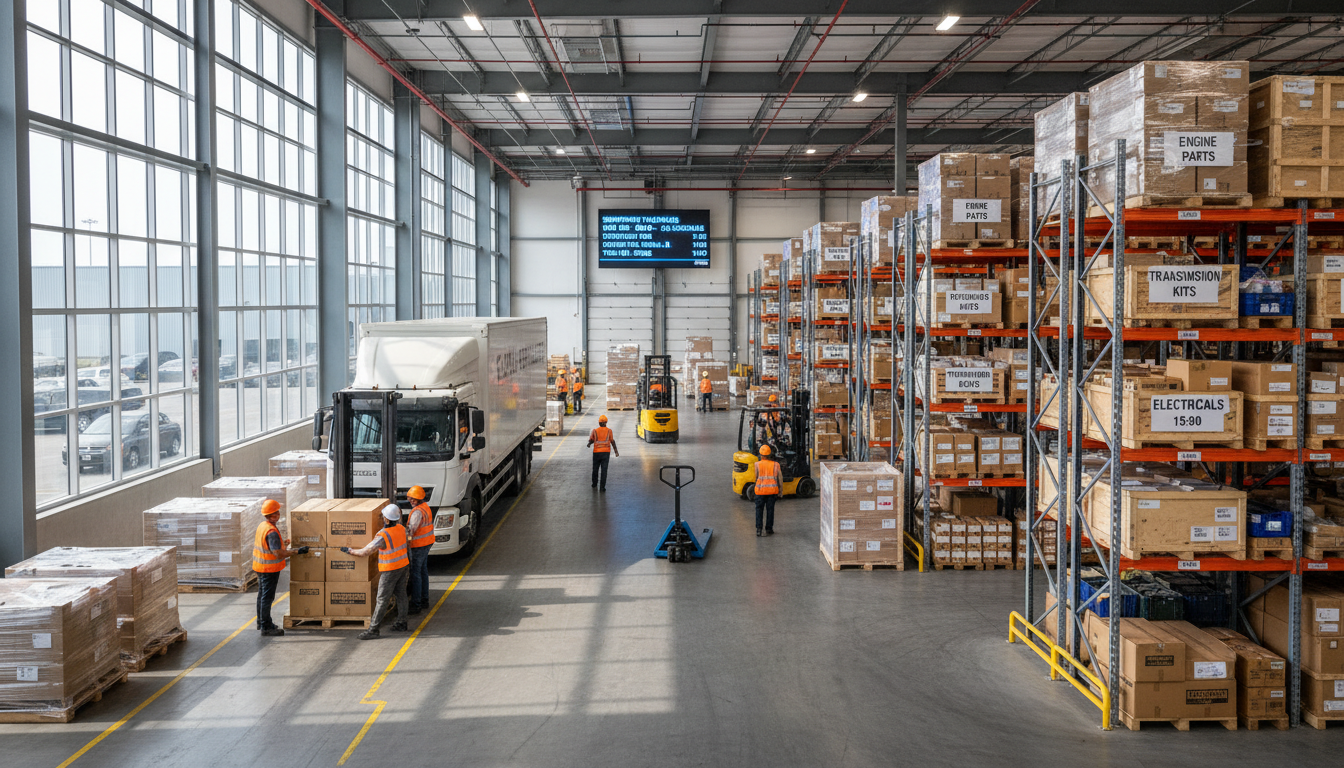
Leveraging Technology
Adopting Transportation Management Systems
Using a Transportation Management System (TMS) can significantly enhance your freight management processes. A TMS provides real-time visibility into shipments, automates routine tasks, and offers insights through data analytics. This technology allows you to plan more effectively, ensuring timely deliveries and cost savings.
Investing in a robust TMS can also help in tracking and tracing shipments, optimizing routes, and managing carrier relationships. These features streamline operations and provide a competitive edge.

Optimizing Carrier Relationships
Choosing the Right Partners
Selecting the right carriers is essential for efficient freight management. Evaluate potential partners based on their reliability, service quality, and pricing. Establishing strong relationships with carriers can lead to better terms and improved service levels.
Regular communication and performance reviews are key to maintaining a productive partnership. By collaborating with carriers, you can negotiate better rates and ensure they meet your operational needs.
Streamlining Operations
Implementing Standard Operating Procedures
Standard Operating Procedures (SOPs) are vital for consistency and efficiency in freight management. SOPs provide clear guidelines for handling tasks, reducing the likelihood of errors and delays. Documenting these procedures ensures that everyone involved in the process is on the same page.
Regularly review and update your SOPs to align with changes in the industry and your business needs. This proactive approach helps in maintaining high standards and achieving operational excellence.
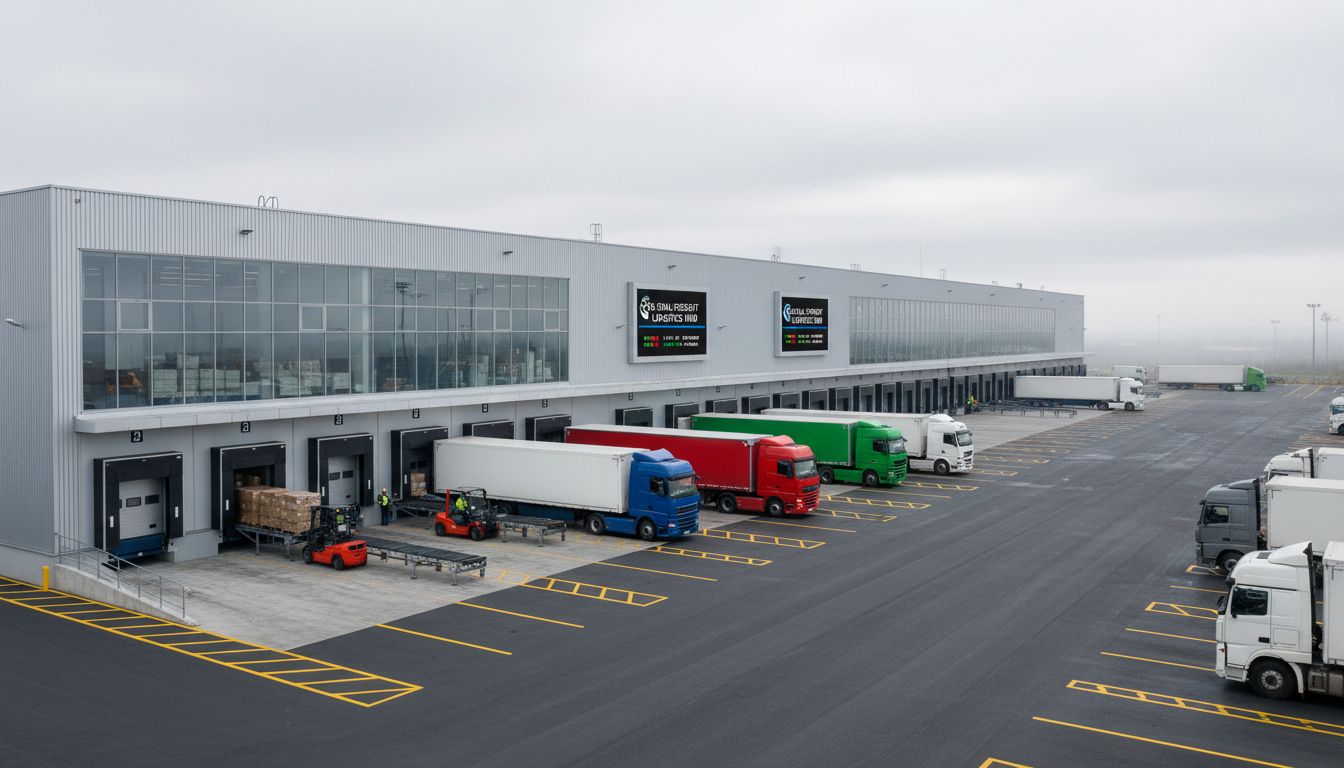
Enhancing Cost Efficiency
Focusing on Cost Control Strategies
Cost efficiency is a major goal in freight management. Implement strategies such as consolidating shipments, optimizing load capacities, and negotiating better rates with carriers. These practices can lead to significant cost savings without compromising service quality.
Monitoring and analyzing freight expenses regularly can help identify areas for improvement. By focusing on cost control, you can allocate resources more effectively and boost profitability.
Ensuring Compliance and Risk Management
Staying Abreast of Regulations
Compliance with regulations is essential in freight management. Stay informed about changes in industry regulations and ensure that your operations adhere to them. This practice minimizes the risk of penalties and disruptions.
Implementing a risk management plan can also help in identifying potential issues and developing strategies to mitigate them. Proactively managing risks ensures smoother operations and protects your business interests.