
Freight Logistics FAQs: Your Top Questions Answered


Understanding Freight Logistics
Freight logistics is an essential component of global trade, facilitating the movement of goods across countries and continents. But what exactly does it entail? In simple terms, freight logistics involves the planning, coordination, and management of transporting goods. Whether by road, rail, air, or sea, the process ensures that products reach their destination efficiently and safely.

Businesses of all sizes rely on freight logistics to ensure their supply chains run smoothly. From manufacturers to retailers, the need for effective logistics solutions is universal. Understanding the nuances of this complex field can help companies optimize their operations and reduce costs.
Common Freight Logistics Terms
What is a Bill of Lading?
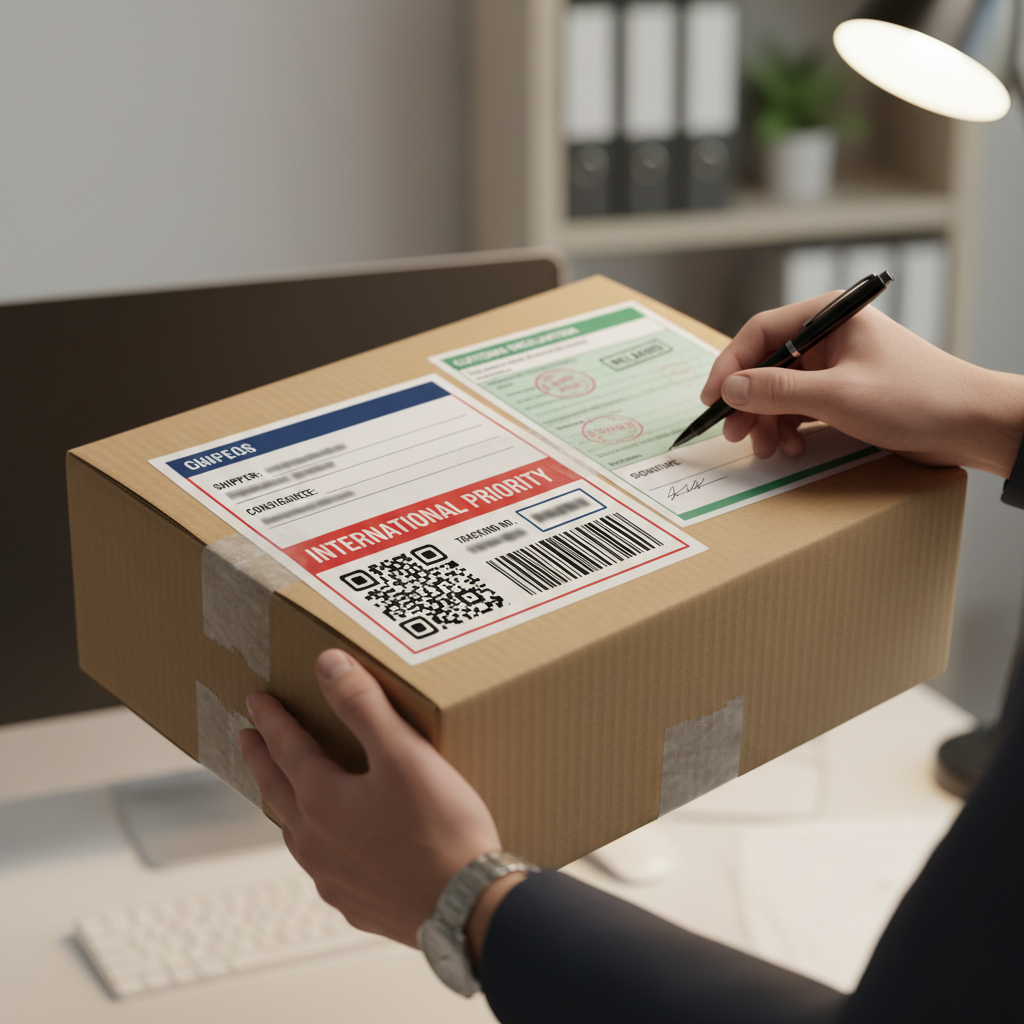
The Bill of Lading (BOL) is a critical document in freight logistics. It serves as a receipt for the shipment, outlining the type, quantity, and destination of the goods being carried. The BOL also acts as a contract between the shipper and the carrier, ensuring that all parties are aware of their responsibilities.
What Are Incoterms?
Incoterms are a set of international trade terms published by the International Chamber of Commerce. They define the responsibilities of buyers and sellers in the shipping process, including who is responsible for costs like shipping, insurance, and duties. Understanding Incoterms is crucial for businesses engaged in international trade.
Choosing the Right Freight Mode
How Do I Pick the Best Mode of Transport?
Choosing the right mode of transport depends on several factors, including cost, speed, and the nature of the goods being shipped. Here's a quick guide to help you decide:
- Road: Ideal for short distances and flexible delivery schedules.
- Rail: Cost-effective for large shipments over long distances.
- Air: Best for high-value or time-sensitive goods.
- Sea: Economical for large, non-urgent shipments.
Evaluating these factors will help you make an informed decision that aligns with your business needs.
Cost Management in Freight Logistics
How Can I Reduce Shipping Costs?
Reducing shipping costs is a common goal for many businesses. Here are some strategies to consider:
- Negotiate bulk discounts with carriers.
- Optimize packaging to reduce weight and volume.
- Consolidate shipments to minimize the number of trips.
- Use technology to track and manage shipments efficiently.
Implementing these strategies can lead to significant savings over time.
Ensuring Compliance and Security
What Are the Key Compliance Issues?
Compliance is a critical aspect of freight logistics, particularly for international shipments. Key issues include adhering to customs regulations, ensuring proper documentation, and following safety standards. Failure to comply with these regulations can result in delays, fines, or even legal action.
Security is equally important, with measures in place to protect goods from theft or damage during transit. Utilizing tracking systems and working with reputable carriers can enhance security and provide peace of mind.