
How to Navigate US Freight Regulations: A Trucking Company’s Perspective


Understanding Key US Freight Regulations
Navigating the complex landscape of US freight regulations is crucial for trucking companies. Staying compliant not only ensures smooth operations but also minimizes legal risks. Understanding these regulations is the first step toward effective compliance.
The Federal Motor Carrier Safety Administration (FMCSA) plays a significant role in regulating the industry. They establish rules regarding driver qualifications, hours of service, and vehicle maintenance. It's essential for trucking companies to familiarize themselves with the FMCSA guidelines to avoid penalties.

Driver Qualifications and Compliance
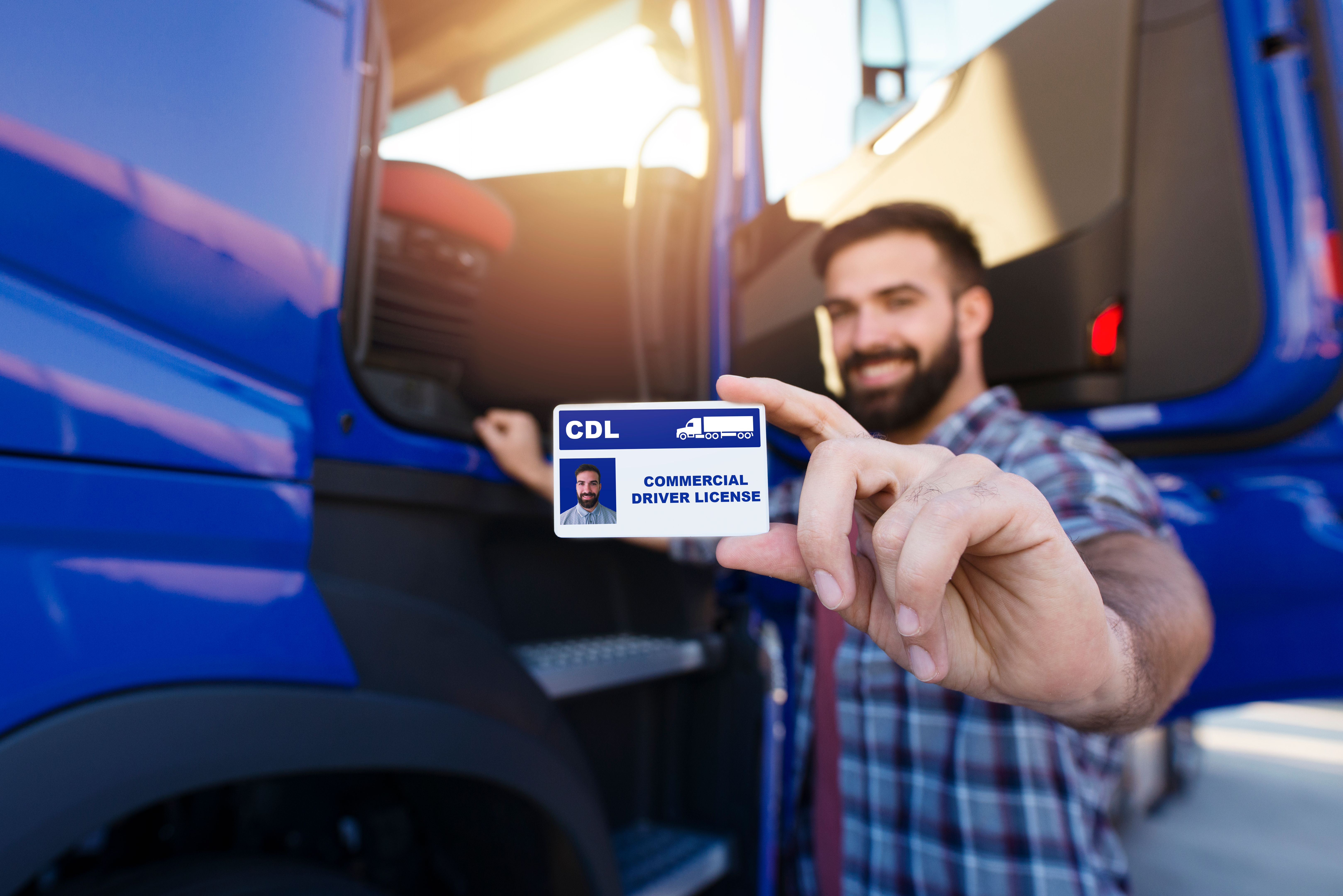
Driver qualifications are a critical aspect of freight regulations. Companies must ensure that their drivers possess a valid Commercial Driver's License (CDL) and meet specific medical standards. Regular training and assessments can help maintain compliance and improve safety.
Additionally, companies should maintain accurate records of driver qualifications and training. This documentation is vital during audits and inspections, demonstrating that the company is committed to regulatory adherence.
Hours of Service (HOS) Rules
The Hours of Service (HOS) regulations are designed to prevent driver fatigue, a significant cause of accidents. These rules dictate the maximum number of hours a driver can operate within a given period and mandate rest breaks.
For instance, drivers are allowed a maximum of 11 hours of driving after 10 consecutive hours off duty. Moreover, the 14-hour window restricts the total working time, including non-driving activities, to promote adequate rest.

Vehicle Maintenance and Safety Standards
Regular vehicle maintenance is not just about keeping trucks running smoothly; it's a regulatory requirement. The FMCSA mandates that all vehicles undergo routine inspections, maintenance, and repairs to ensure safety on the road.
Companies should establish a comprehensive maintenance schedule, keeping detailed records of all inspections and repairs. By prioritizing vehicle safety, companies not only comply with regulations but also enhance their operational efficiency.

Staying Updated with Regulatory Changes
US freight regulations are subject to change, making it vital for trucking companies to stay informed. Subscribing to industry newsletters, attending relevant workshops, and participating in industry associations can help keep companies updated on the latest developments.
Implementing a robust compliance strategy that includes regular training and updates will ensure that the company adapts swiftly to any regulatory changes, minimizing disruption and maintaining compliance.

Leveraging Technology for Compliance
Technology can be a powerful ally in navigating freight regulations. Many companies are now using software solutions to streamline compliance processes, such as electronic logging devices (ELDs) and fleet management systems.
These tools help monitor driver hours, track vehicle maintenance, and ensure that all regulatory requirements are met. By investing in technology, trucking companies can improve efficiency and reduce the risk of non-compliance.

In conclusion, understanding and adhering to US freight regulations is essential for trucking companies. By focusing on driver qualifications, hours of service, vehicle maintenance, and staying informed about regulatory changes, companies can ensure compliance and enhance their operational success.