
How to Optimize Trucking Routes for Maximum Efficiency


Understanding the Importance of Route Optimization
In the trucking industry, optimizing routes is crucial for enhancing efficiency and reducing operational costs. By implementing effective route optimization strategies, companies can save time, fuel, and resources, ultimately improving their bottom line. Moreover, efficient routes contribute to timely deliveries, which is essential for maintaining customer satisfaction.
Utilizing Technology for Better Planning
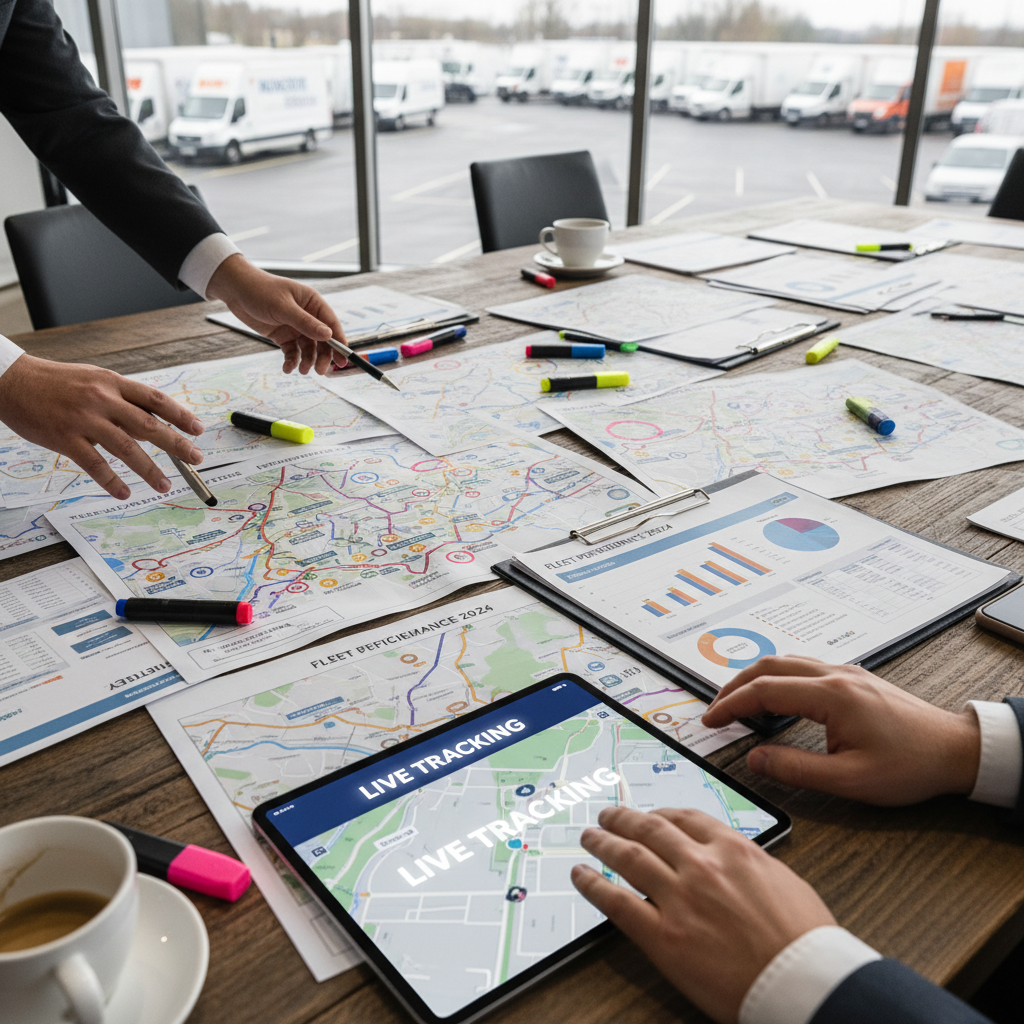
Modern technology plays a vital role in optimizing trucking routes. GPS systems and route planning software provide real-time traffic updates, allowing drivers to avoid congested areas. These tools can suggest alternate routes, ensuring that goods are delivered on time while minimizing delays and fuel consumption.
Investing in advanced route optimization software can also help in analyzing historical data to predict traffic patterns. This predictive analysis helps in planning routes that are less likely to encounter delays, further enhancing efficiency.
Implementing Efficient Fleet Management Practices
Effective fleet management is another key aspect of optimizing trucking routes. This involves regular vehicle maintenance to prevent breakdowns and ensuring that all trucks are equipped with necessary tools and technology. A well-maintained fleet operates more efficiently, reducing the likelihood of unexpected disruptions.

Additionally, using telematics systems can provide insights into driver behavior, vehicle performance, and fuel consumption. By analyzing this data, companies can make informed decisions to improve route efficiency and reduce costs.
Strategic Planning and Scheduling
Strategic planning involves scheduling deliveries during off-peak hours to avoid traffic congestion. This not only speeds up deliveries but also reduces fuel consumption and wear and tear on vehicles. Planning deliveries based on priority and proximity can further streamline operations, ensuring that drivers cover the shortest possible distances with maximum load efficiency.
Another effective strategy is to consolidate shipments whenever possible. By combining smaller shipments into a single delivery, companies can reduce the number of trips required, saving both time and resources.
Training and Empowering Drivers
Drivers are a crucial part of the route optimization process. Providing them with adequate training on using technology and understanding the importance of efficient routing can significantly impact overall performance. Empowering drivers to make real-time decisions based on traffic conditions can lead to more flexible and responsive operations.
Encouraging open communication between drivers and dispatchers ensures that any issues can be addressed promptly, further enhancing efficiency and reliability in the delivery process.