
Myth-Busting: Common Misconceptions About Trucking Costs


Introduction
Trucking is an essential part of the global economy, yet there are numerous misconceptions about the costs involved. These misunderstandings can lead to misguided decisions and missed opportunities. Let's debunk some of the most common myths surrounding trucking costs to help you make more informed choices.

Myth 1: Fuel Costs Are the Only Major Expense
While fuel costs are significant, they are far from the only major expense in the trucking industry. Many assume that because trucks consume a lot of fuel, it must be the primary cost driver. However, the reality is more complex.
Other Major Expenses
Aside from fuel, trucking companies face numerous other costs, including:
- Maintenance and Repairs: Regular upkeep and unexpected repairs can add up quickly.
- Insurance: Protecting vehicles and cargo is a substantial expense.
- Driver Salaries: Competitive wages are necessary to attract skilled drivers.

Myth 2: Bigger Loads Mean Lower Costs
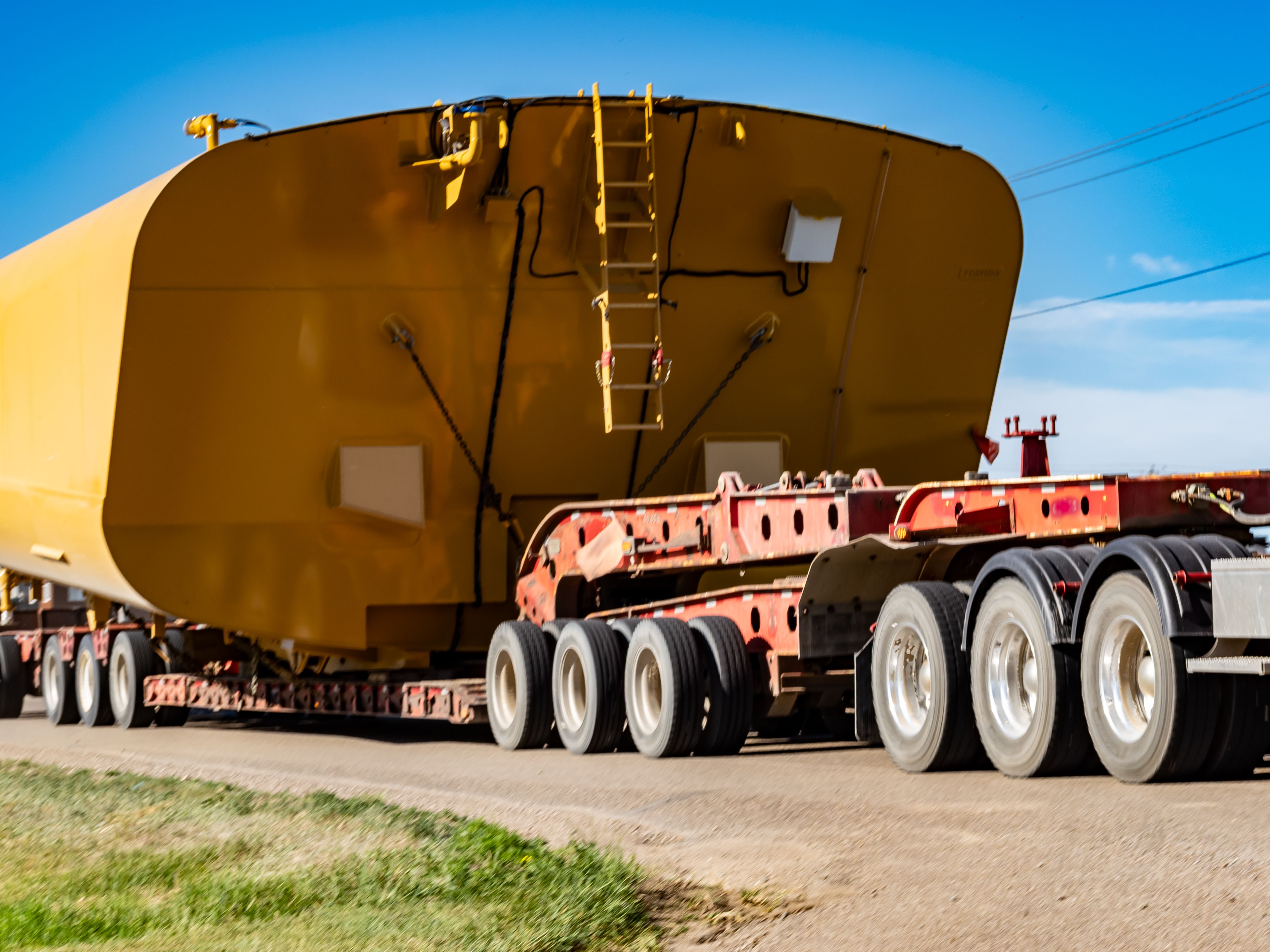
Another common misconception is that hauling larger loads always reduces costs due to economies of scale. While larger loads can be more efficient, they also come with their own set of challenges and expenses.
Complexities of Bigger Loads
Hauling more substantial loads may lead to:
- Increased Wear and Tear: Larger loads can accelerate vehicle wear.
- Regulatory Compliance: Heavier loads may require additional permits and compliance checks.
- Higher Risk: The potential for accidents or damage increases with load size.
Myth 3: Cutting Costs Always Improves Profitability
It's a common belief that reducing costs will automatically boost profitability. However, slashing expenses without strategic planning can lead to unintended consequences.
The Importance of Strategic Spending
Investing in quality services and equipment can actually save money in the long run by:
- Ensuring Reliability: High-quality equipment reduces downtime.
- Enhancing Safety: Better safety measures lower the risk of costly accidents.
- Improving Efficiency: Advanced technology can streamline operations.

Conclusion
Understanding the true nature of trucking costs is crucial for making informed business decisions. By recognizing the broader scope of expenses and the complexities involved in trucking, businesses can better navigate the industry. Keep these insights in mind to avoid common pitfalls and optimize your operations.