
The Future of Trucking: Trends Shaping the Industry


Technological Advancements
The trucking industry is undergoing a significant transformation, driven by cutting-edge technologies. Autonomous vehicles are at the forefront, promising to revolutionize how goods are transported. These self-driving trucks aim to improve efficiency and safety, reducing human error and operational costs.
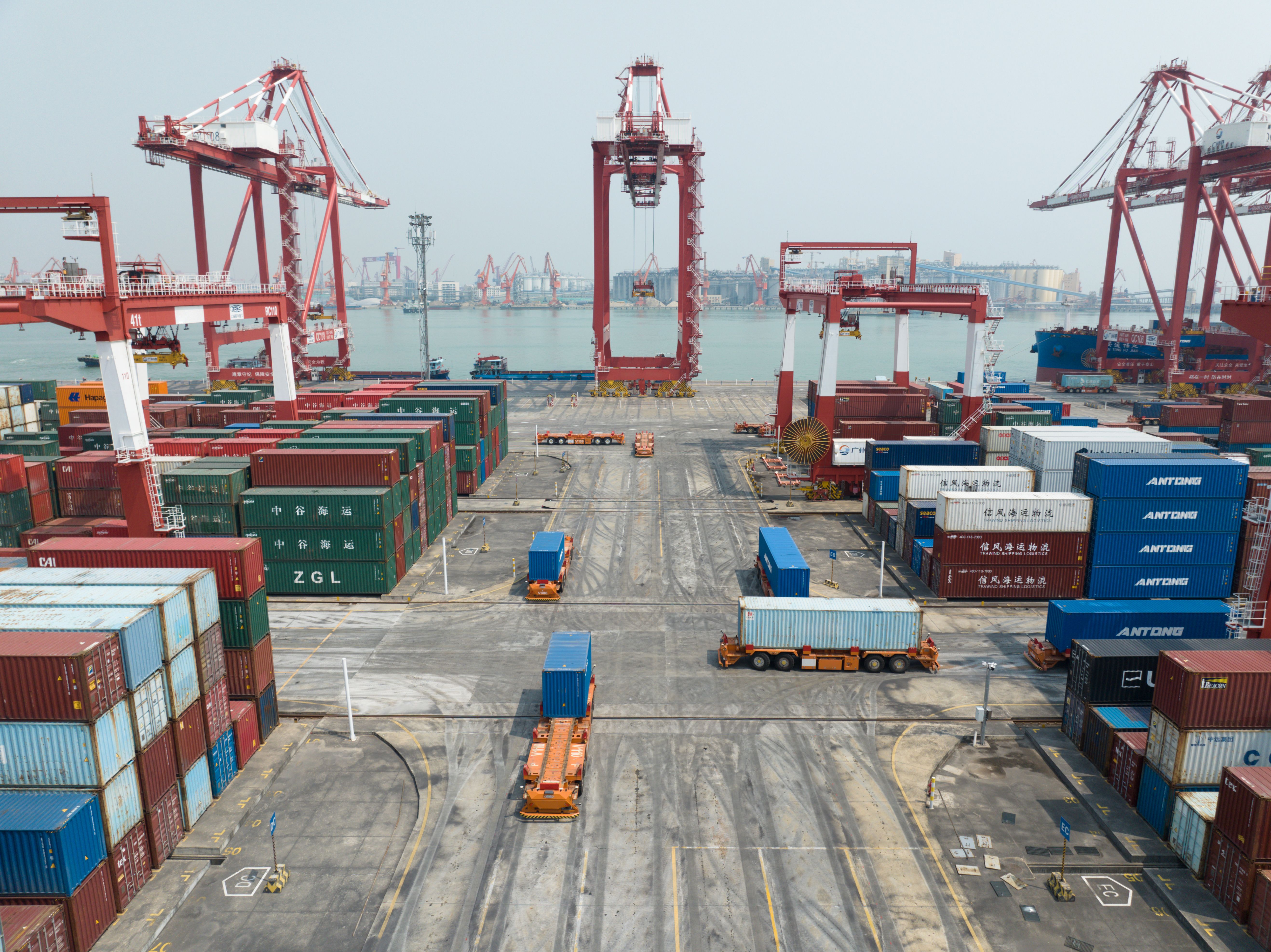
Moreover, the integration of IoT (Internet of Things) devices allows for real-time tracking and monitoring of cargo. This technology provides transparency and helps in optimizing routes, ultimately enhancing delivery times and reducing fuel consumption.
Sustainability Initiatives
As environmental concerns grow, the trucking industry is focusing more on sustainability. Electric trucks are becoming increasingly popular, offering a cleaner alternative to traditional diesel engines. Companies are investing heavily in charging infrastructure to support this shift.
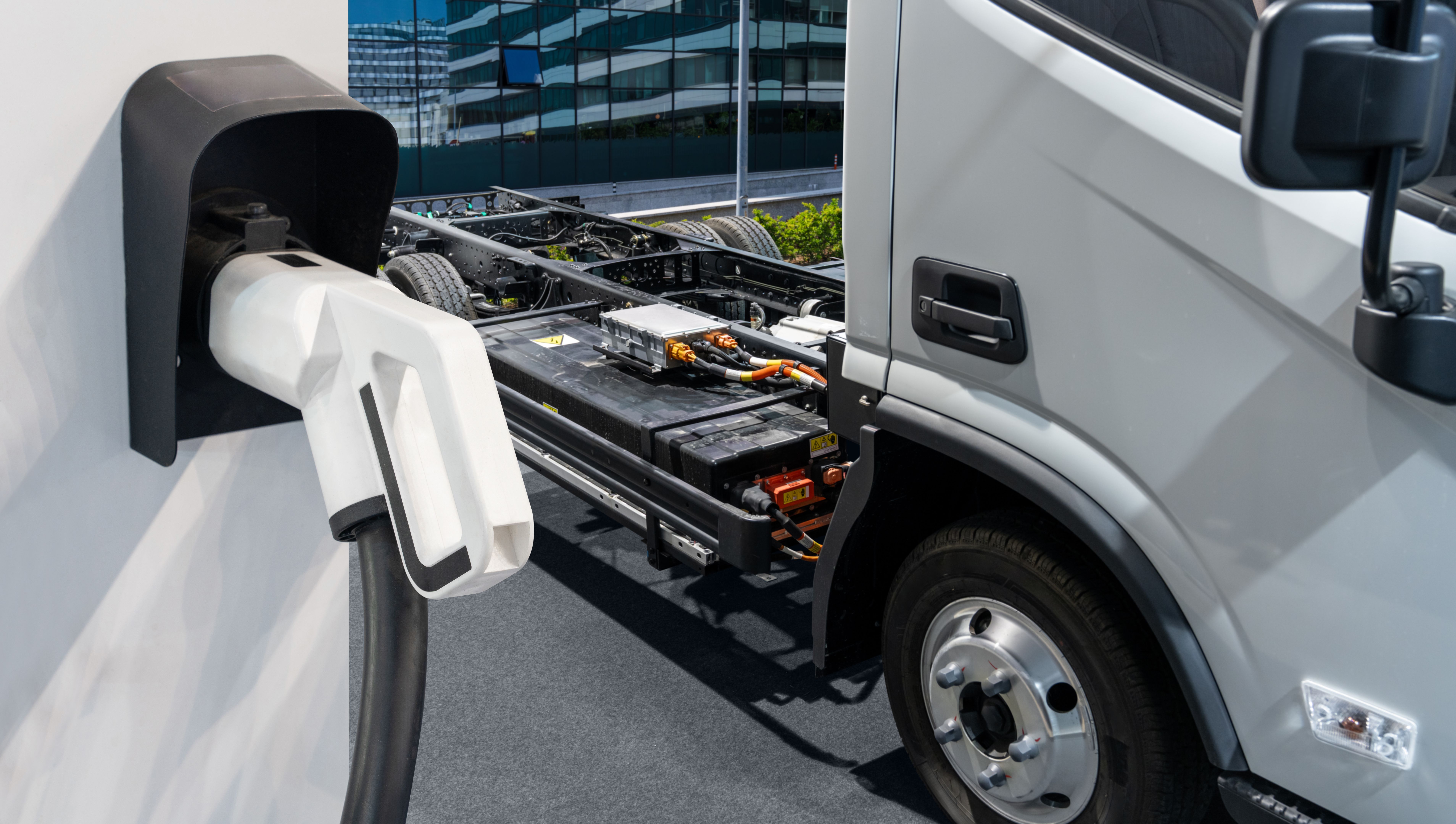
Further, the adoption of alternative fuels like hydrogen is gaining momentum. By reducing emissions and relying on renewable energy sources, these innovations contribute to a more sustainable future for trucking.
Regulatory Changes
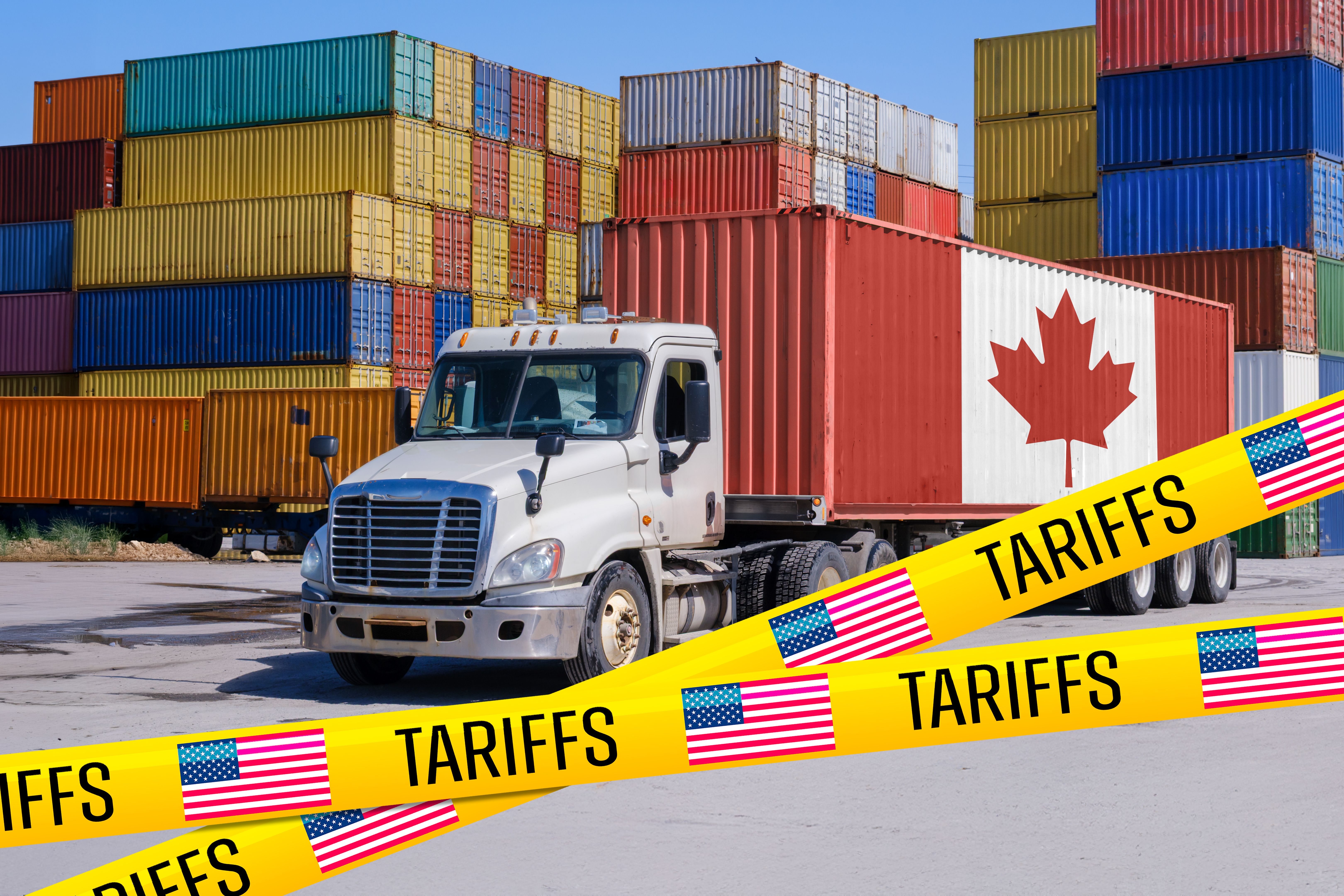
Governments worldwide are implementing stricter regulations to ensure environmental compliance and safety standards. These regulations are pushing companies to adopt greener technologies and improve driver working conditions.
For instance, hours-of-service rules are being updated to prevent driver fatigue and enhance road safety. Trucking businesses must stay informed and adapt to these regulatory changes to remain competitive.
Impact of E-commerce
The boom in e-commerce has dramatically influenced the trucking industry. With more consumers shopping online, the demand for efficient last-mile delivery services has skyrocketed. This trend is driving the need for more agile and responsive logistics solutions.
Companies are leveraging data analytics to predict demand and optimize delivery routes. This approach not only improves customer satisfaction but also reduces operational costs.

Workforce Challenges
The trucking industry faces significant workforce challenges, including a shortage of qualified drivers. As the older generation retires, attracting younger talent becomes crucial. Companies are investing in training programs and offering competitive benefits to entice new drivers.
Additionally, technological advancements require a more skilled workforce. Training drivers to operate advanced systems and technologies is essential to ensure safe and efficient operations.
Conclusion
The future of trucking is being shaped by various trends that promise to enhance efficiency, sustainability, and safety. By embracing these changes, the industry can overcome current challenges and continue to thrive in an ever-evolving landscape.