
Top Seasonal Challenges in Trucking and How to Overcome Them


Winter Weather Woes
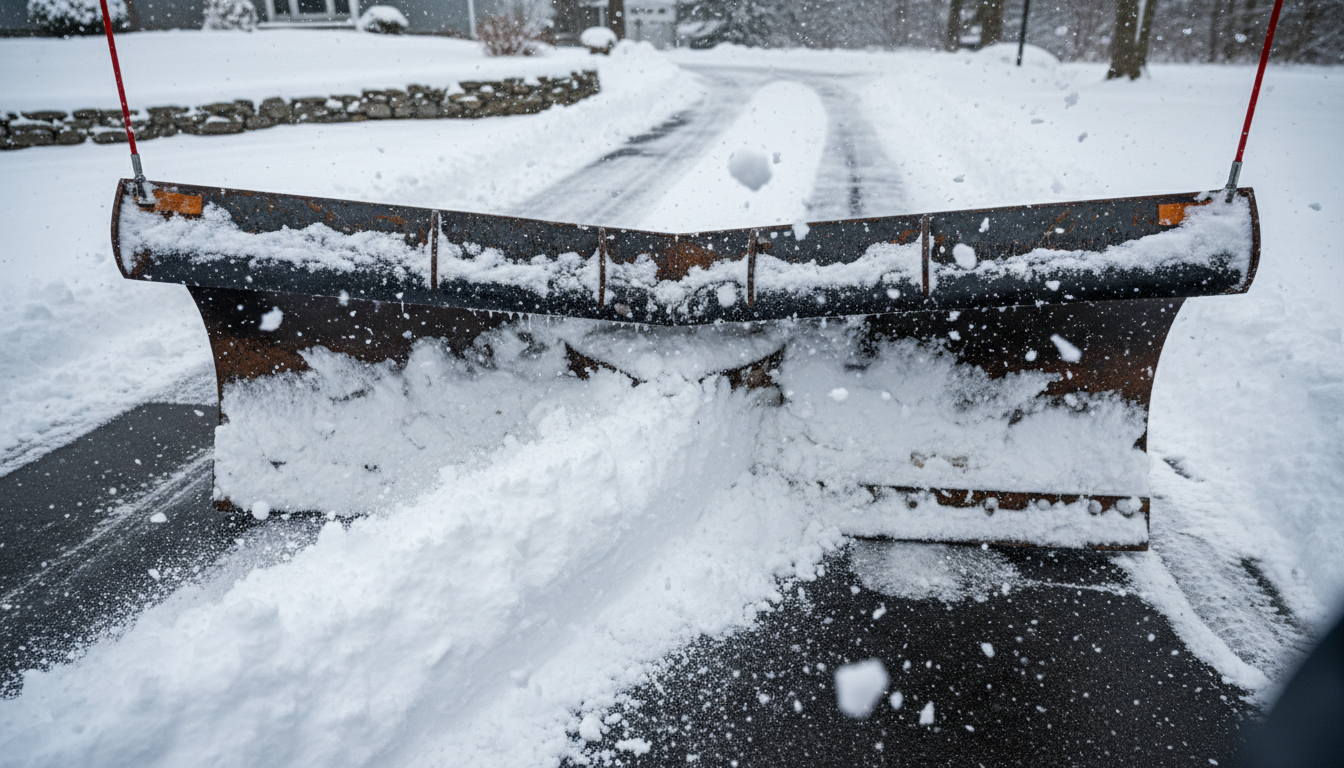
The trucking industry faces significant challenges during the winter months. Snow, ice, and low temperatures can create hazardous driving conditions, leading to increased accident risks and delivery delays. To combat these issues, it's crucial for trucking companies to ensure their vehicles are well-maintained and equipped with winter-specific gear such as snow tires and chains.
Driver training is also essential. Providing drivers with the skills to handle slippery roads and poor visibility can make a substantial difference. Additionally, staying informed about weather conditions and planning routes accordingly can help avoid dangerous areas.
Spring Thaw and Road Restrictions
As temperatures rise in the spring, thawing soil can lead to unstable road conditions. Many regions impose road restrictions to prevent damage caused by heavy trucks. These restrictions can impact delivery schedules and routes.

To navigate these challenges, trucking companies should stay updated on regional road restriction notices and plan alternative routes in advance. Flexibility in scheduling and maintaining open communication with clients can help manage expectations and keep operations running smoothly.
Summer Heat and Equipment Strain
Summer brings its own set of challenges, primarily related to extreme heat. High temperatures can strain truck engines, tires, and refrigeration units, leading to increased maintenance needs and potential breakdowns.

Regular vehicle inspections are vital during the summer months. Ensuring proper tire pressure, coolant levels, and functioning air conditioning systems can prevent many heat-related issues. Encouraging drivers to take breaks and stay hydrated is also important for safety and efficiency.
Autumn and Increased Wildlife Activity
In the fall, wildlife activity increases, leading to a higher risk of animal-related accidents. Deer and other animals are more active during this time, especially at dawn and dusk.
Drivers should be trained to remain vigilant and reduce speed in areas known for wildlife crossings. Installing animal detection systems can also be a proactive measure to prevent collisions.
Adapting to Seasonal Changes
Overall, the key to overcoming seasonal challenges in trucking is preparation and adaptability. By understanding the unique demands of each season and taking proactive measures, trucking companies can ensure safety and efficiency year-round.
Investing in technology such as GPS and weather forecasting tools can aid in planning and real-time decision-making. Regular communication between drivers, dispatchers, and clients can also help manage expectations and maintain a seamless operation.