
Understanding Freight Regulations: A Trucker’s Guide


Introduction to Freight Regulations
Freight regulations are essential for ensuring safety, efficiency, and fairness in the transportation industry. For truckers, understanding these regulations is not just a legal requirement but a crucial aspect of their day-to-day operations. This guide aims to break down the complex world of freight regulations into manageable and comprehensible parts.
These regulations can vary widely depending on the type of freight, the route, and even the vehicle's specifications. Staying informed is vital for compliance and maintaining a good standing with regulatory bodies.

Key Regulatory Bodies
In the United States, the primary regulatory body overseeing freight transportation is the Federal Motor Carrier Safety Administration (FMCSA). They establish rules and guidelines that truckers must follow to ensure safety on the roads.
Other important entities include the Department of Transportation (DOT) and the Environmental Protection Agency (EPA). Each of these organizations has its own set of rules that can impact different aspects of freight transportation.
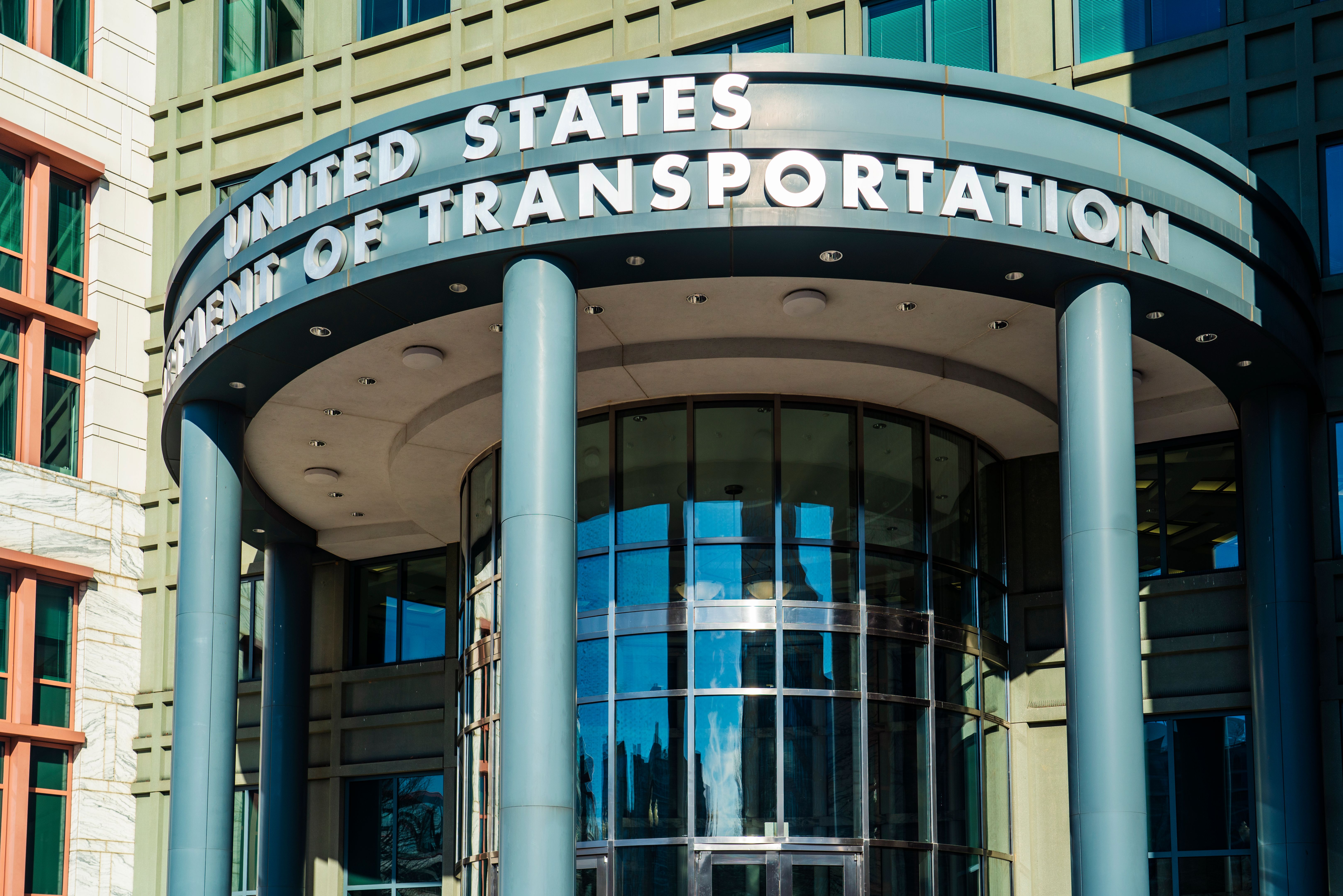
Federal Motor Carrier Safety Administration (FMCSA)
The FMCSA sets regulations related to driver qualifications, vehicle maintenance, and hours of service (HOS). Understanding these rules is crucial for truckers to avoid penalties and ensure safe operations.
Hours of Service (HOS) Regulations
HOS regulations are designed to prevent driver fatigue, a leading cause of accidents in the trucking industry. These rules determine how long a driver can be on duty and how much rest is required between shifts.
- Drivers may drive a maximum of 11 hours after 10 consecutive hours off duty.
- They cannot drive beyond the 14th consecutive hour after coming on duty.
- Rest breaks of at least 30 minutes are required after 8 cumulative hours of driving.

Weight and Size Limitations
Weight and size limitations are crucial for maintaining road safety and infrastructure integrity. These regulations dictate the maximum allowable weight and dimensions for freight vehicles.
Overweight or oversized loads require special permits, and failing to comply can result in hefty fines and potential damage to infrastructure. Truckers must be aware of state-specific rules, as these can vary significantly.
Special Permits for Oversized Loads
When transporting oversized loads, truckers need to obtain special permits that often come with specific route requirements and time restrictions. Proper planning and adherence to these permits are essential to avoid disruptions.

Hazardous Materials Regulations
Transporting hazardous materials brings an additional layer of complexity to freight regulations. The FMCSA and the Pipeline and Hazardous Materials Safety Administration (PHMSA) oversee these regulations.
Truckers must undergo special training and certification to handle hazardous materials, ensuring they understand the risks and necessary precautions to protect themselves and the public.
Conclusion
Understanding freight regulations is a fundamental aspect of a trucker's career. By staying informed and compliant, truckers can ensure their safety, the safety of others, and the smooth operation of their business. Regular updates and training are recommended as regulations can evolve, reflecting new safety standards and technological advancements.
By mastering these regulations, truckers not only protect their livelihood but also contribute to a safer, more efficient transportation industry.